
Bank Dividends
Subject to Central Bank Approval

Abdul-Hamid Shoman
الدين حرام
This expression is also found in many shops around the country in the form of الدين ممنوع. For non-Arabic speakers, and without the correct diacritics (َ ِ ُ ّ ْ ), it may read as ‘Religion is forbidden’. It actually translates to: Debt is forbidden; meaning shops don’t want customers (including regulars) to buy goods on credit and that all purchases need to be settled immediately.
The quote above is taken from the “auto”biography of the founder of the biggest banking institution in Jordan, the Arab Bank. Just as a Saudi friend recommended it to me, I highly recommend our dear readers to get their hands on a copy.
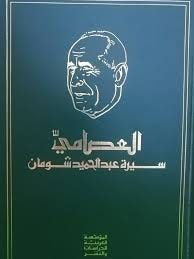
Abdul-Hamid Shoman uttered that expression when he emigrated from Palestine to the United States of America more than a century ago at the age of 21. He had only 2 ounces of gold in his pocket (worth $42 at that time). His first job was a door-to-door salesman going around with a large suitcase selling random things from ties to house essentials which he initially bought using those gold coins. When he would sell out and deplete his inventory, he would go back to the warehouse or factory to buy more using his original capital. A warehouse owner once suggested that if Abdul-Hamid Shoman wanted to make more money, he could borrow the extra goods instead of having to buy a limited number. Shoman told him: debt is forbidden.
Shoman’s memoir is another example of a book that could really benefit from a Netflix series adaptation and be brought to a modern audience and make banking sexy again (just as Apple TV+ made gaming sexy with their excellent Tetris movie featuring Robert Maxwell, father of Ghislaine Maxwell).
I digress…
Back to banks in Jordan.
There are a lot of things financial analysts look for in a bank’s yearly earnings such as ROE, capital adequacy ratio, growth (any court cases abroad that could threaten the bank) etc.
What retail investors, especially the average Mo, care about is: how much profit will be paid back if I buy shares of a bank? As in, how much dividends will be paid to shareholders? Or to put differently: how much will a bank pay me to buy their shares?
We see these headlines: one bank announces 40% dividends and the other 12%.


Is it obvious from the headline which bank is paying more than the other?
To keep it simple, the quickest way to understand these numbers is to think of it this way: the percentage represents how much the shareholder gets per share.
For example if I own 100 shares of Arab Bank, I get 40% of 100 which is 40 JODs. If I own 18 shares, I get 7.2 JODs
But the question becomes: what’s the price of an Arab Bank share today if I want to purchase it and get some of that profit distribution.
As of today's market close it is 6.76 JODs/share.
So if I bought 100 shares, I would need 676 JODs in total to get 40 JODs in dividends.
That’s a return of 40/676= 5.92% (known as Dividend yield)
Profits are usually distributed after the Annual General Meeting (AGM) of banks which usually take place between March and April.
5.92% is considered a good return on investment when compared to keeping the money sitting in a bank.
The risk comes later when investors decide to sell those shares after the shareholders meeting as the price can drop by more than the amount made from the profits. That is unless you are a long term holder of shares.
Here is the equation:
Dividend yield = Profit distribution % / Share price
I did a table comparing the different banks and most except 3 have a dividend yield of >5%
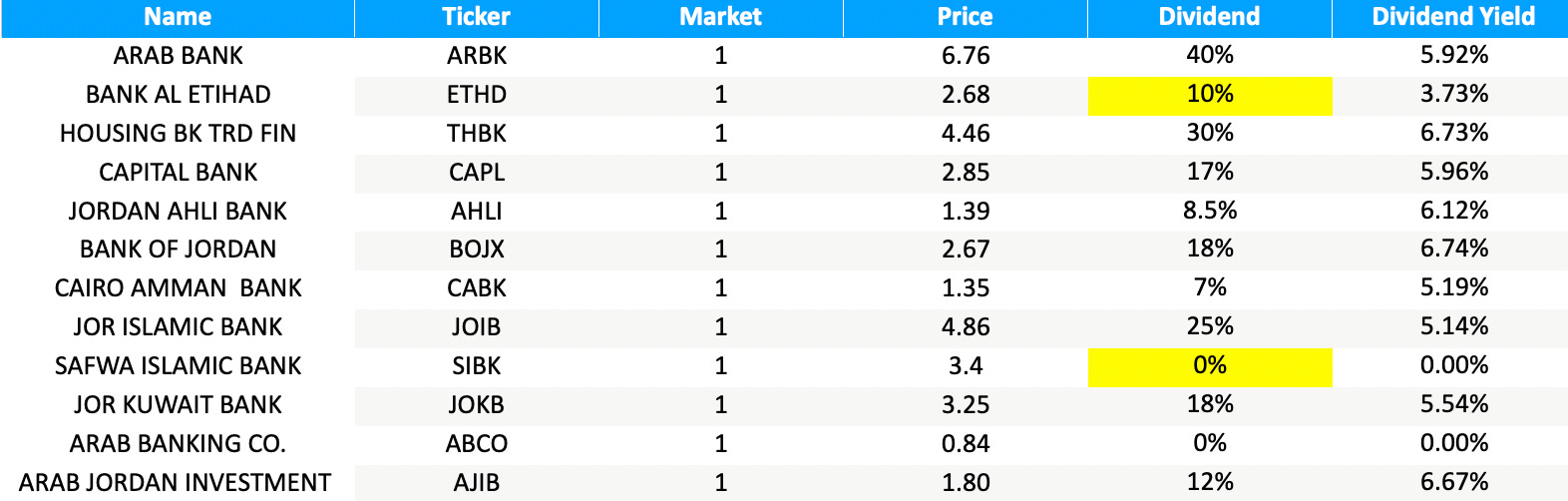
Highlighted in yellow are Safwa Islamic and Etihad which will be distributing bonus shares (which complicates the equation a bit).
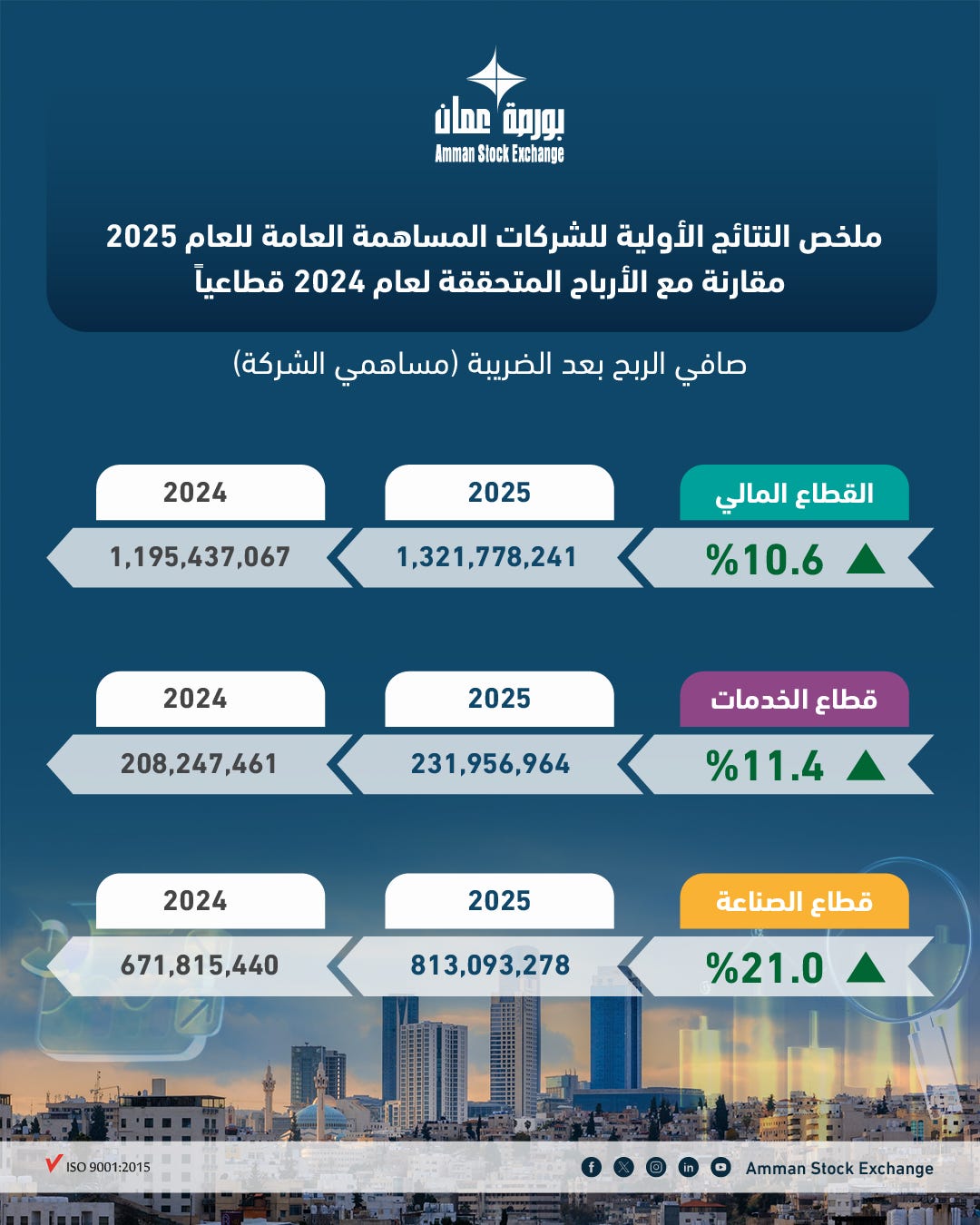
Overall the banks did pretty well in 2025 with net profits of 1.32 billion JODs (+10.6% compared to 2024)
Don’t forget to always analyse company balance sheets, talk with an analyst before taking any risk.
Happy Investing!