
Gas Cartel
No space for competition

In theory, the objective of a free market is to create competition between participating entities that will benefit the end customer with better service and/or product and with lower prices.
As Schumpeter famously argued, the moment an entrepreneur opens their business, they immediately need to start innovating to stay competitive. Anyone can, at any moment, enter the market and offer the same product/service at a better price.
This is the case with the Telecoms sector in Jordan: every 2 years, when it is time to renew the internet subscription contract, I simply start scouting for better deals and switch if I find better offers. Or if I am a bit lazy, I simply threaten the current service provider about my intention of moving to another and I immediately get a better deal.
This chart that always makes the rounds every few months on social media, shows that it kind of worked for the technology sector:
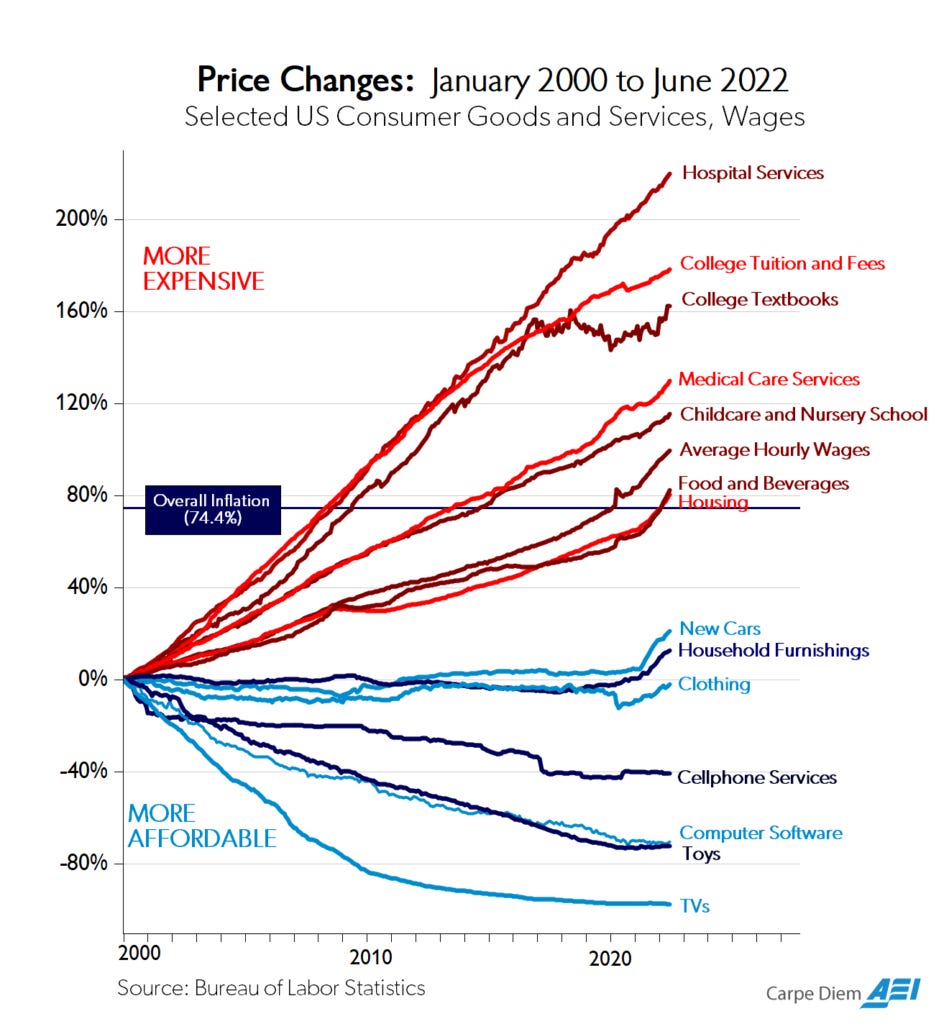
Unfortunately, this is not the case with gas distribution companies.
Primer
Liquid Petroleum Gas (LPG) as a heating source is the second most used energy source for residential homes in Jordan. But that is for the gas cylinders that are used on gas heaters and for cooking (what we call “Soba”, like this).
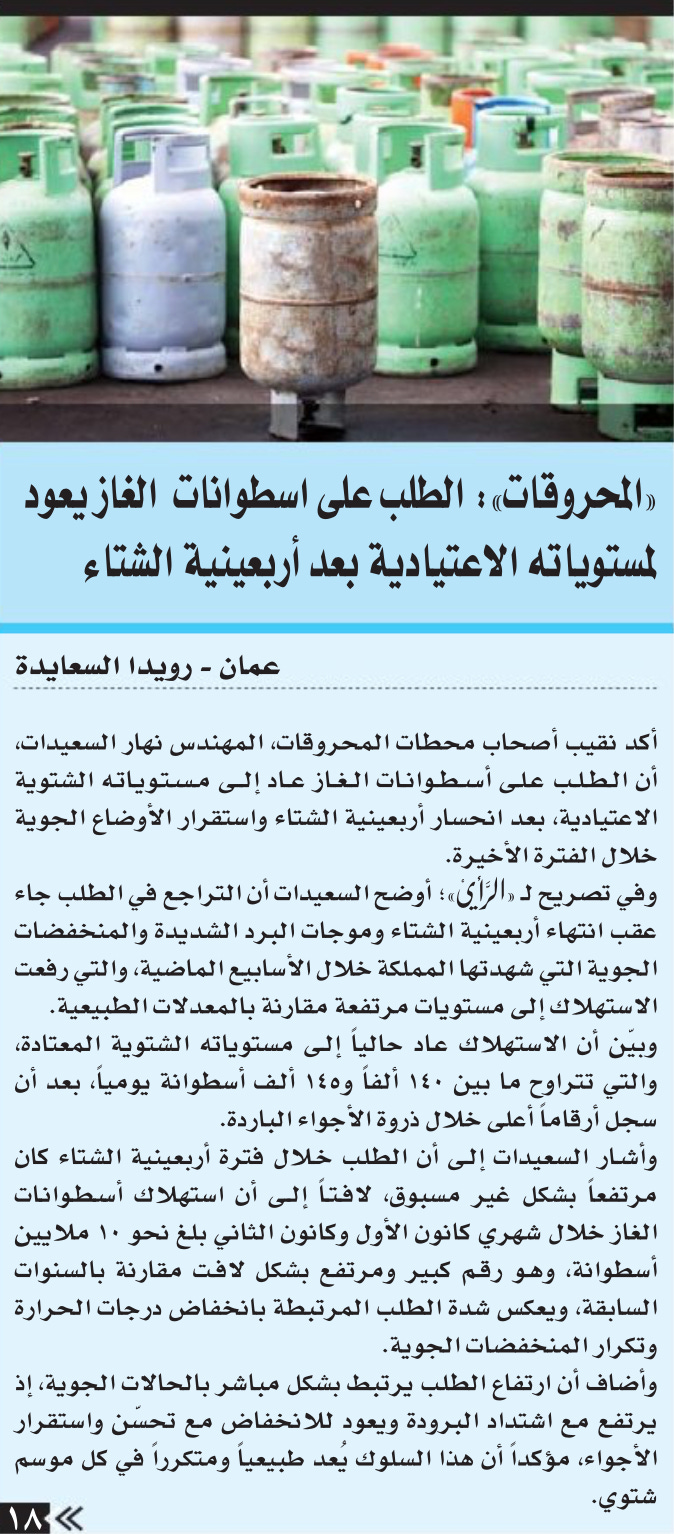
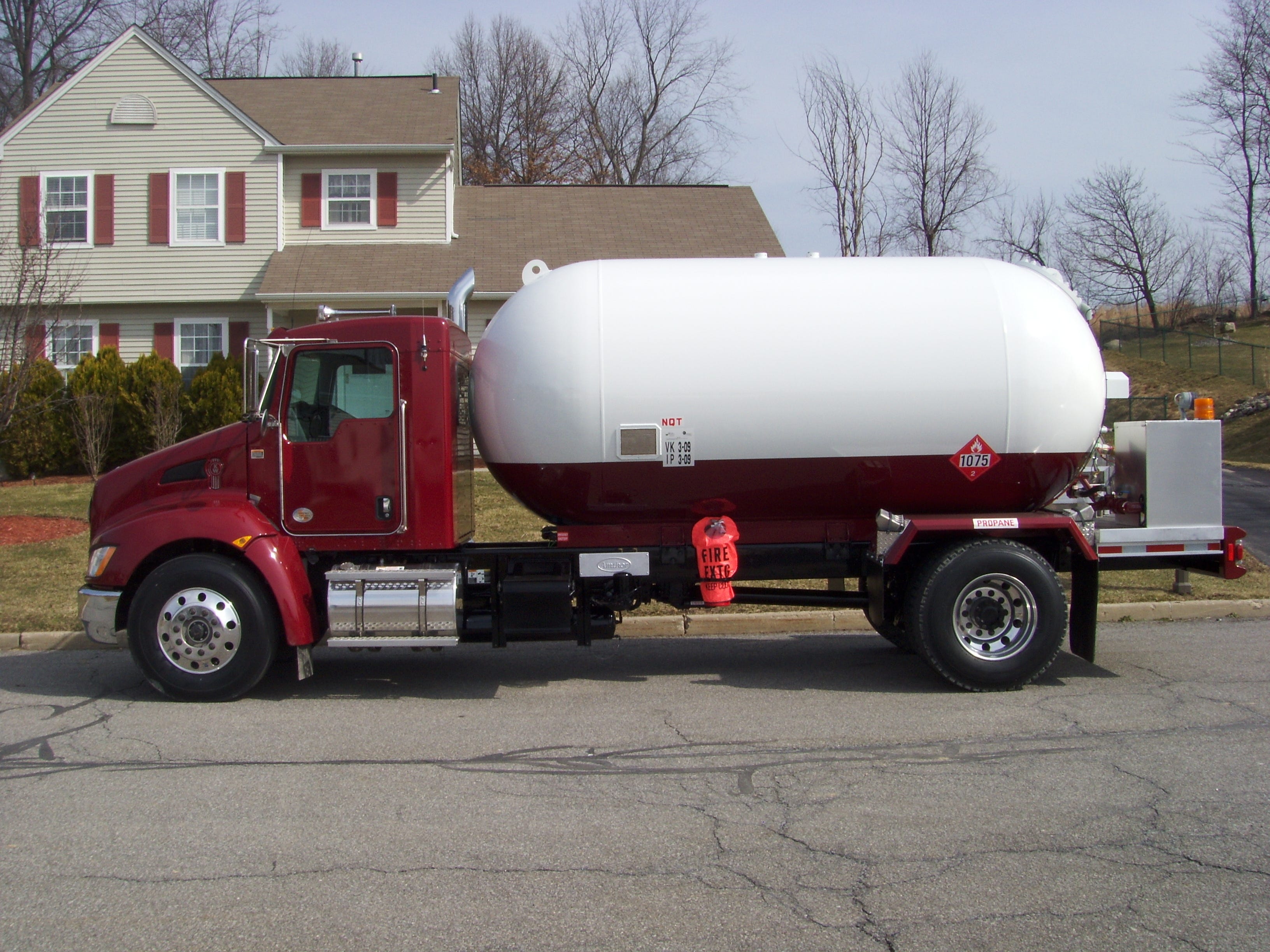
LPG (not to be confused with LNG) is also used in central heating systems where a household would have a gas tank that connects to a gas burner/boiler.
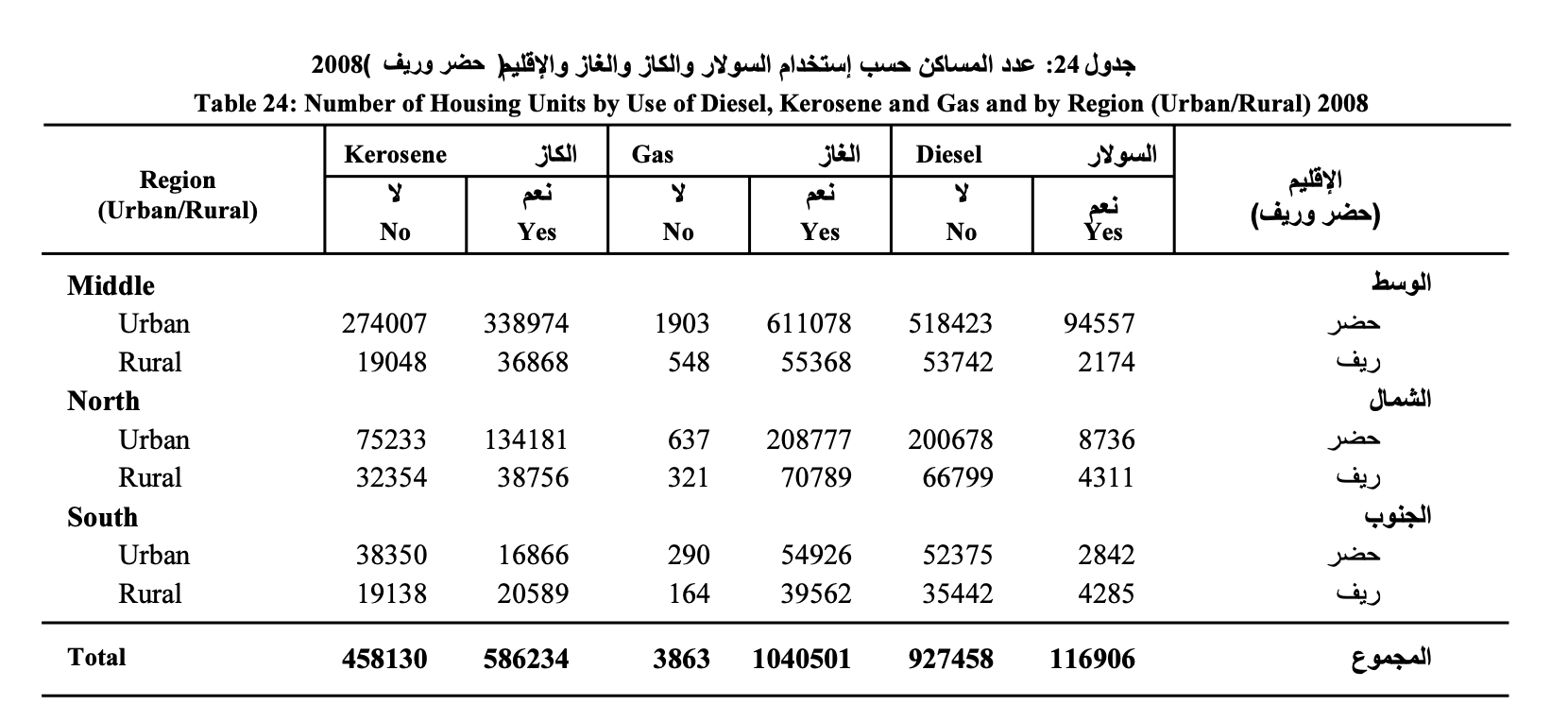
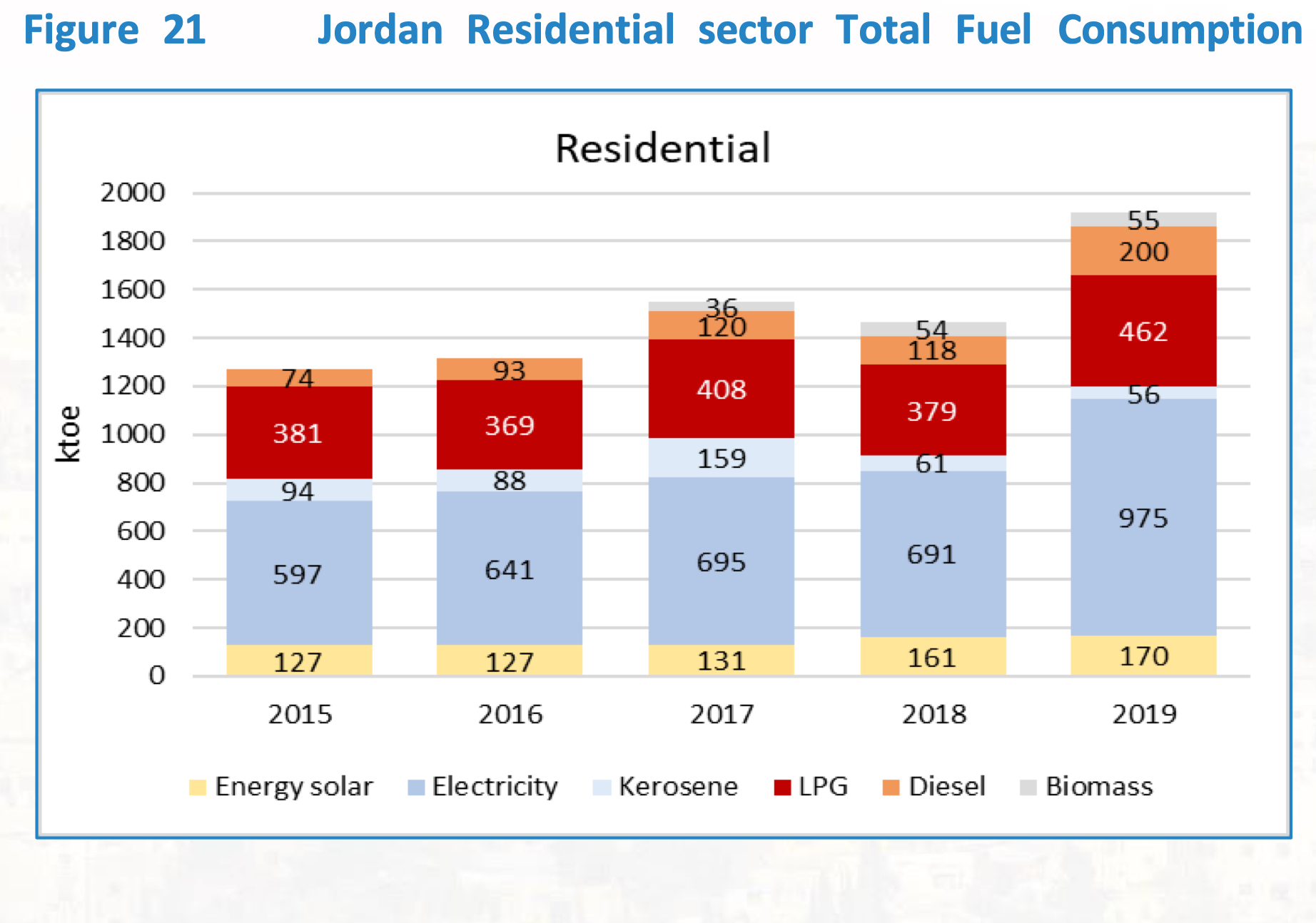
Diesel appears to be gaining market share in the chart above, but this trend is misleading. It reflects households moving away from Sobas (small, moveable gas heaters) toward boiler systems that use either gas or diesel.
What I want to focus on here is gas-powered boiler systems, not Sobas. Both gas and diesel boilers work similarly: they draw fuel from a storage tank (filled by a delivery truck) to heat water that circulates through radiators or underfloor heating systems.
From Diesel to Gas
Before we begin, we need to understand why a lot of households are moving away from Diesel and to Gas to heat up their homes.
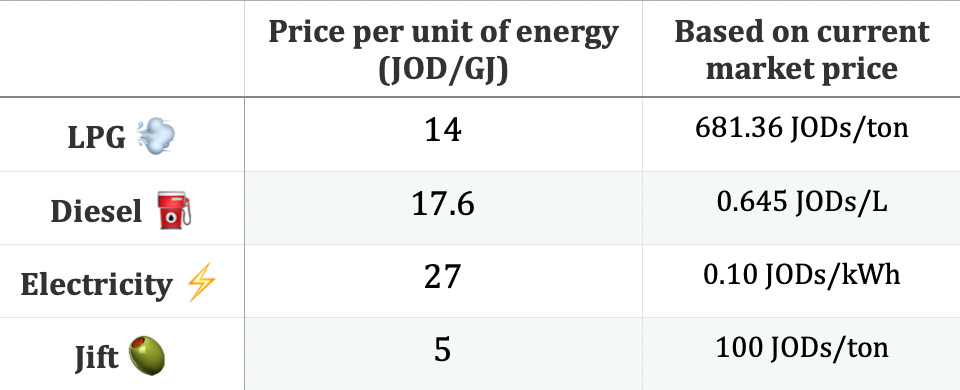
At current prices from JoPetrol, we have:
Liquified Petroleum Gas (LPG) at 681.36 JODs/ton
Diesel at 0.645 JODs/L
To be able to compare, we can convert the units to a common energy unit in Giga Joules (GJ), which become:
LPG —> ~14 JODs/GJ
Diesel —> ~17.6 JODs/GJ
Gas is already 20% cheaper than diesel (and has some many other advantages too by being cleaner and having more efficient boilers.)
We can also compare it to other heat sources:
Electricity is ~27 JODs/GJ (at 0.10 JODs/kWh) and if one is using Olive Pomade or Jift (جفت) at 100 JODs/ton, it is ~5 JODs/GJ. Yes, only 5 JODs! 3 times cheaper than gas and diesel. Unfortunately we are not manufacturing safe and efficient boilers/furnaces to fully benefit from it.
Gas seems like the obvious choice for many customers, and yet the switch is not as simple as it seems.
For safety reasons, gas storage tanks cannot be placed anywhere like diesel tanks can. Since the gas is highly condensed to liquid form, it needs to be placed in a highly pressurised container. For everyone’s safety and convenience, one large storage container is built and shared by the whole building, regardless of the number of apartments. The tank must be placed in a designated safe location, and each individual customer connects to it with a gas meter installed to monitor consumption.
This is where the problem starts: customers cannot refill their tank using another service provider. Customers are stuck with one distributor forever. And unlike telecom companies where installation is often subsidized, most of the installation costs (pipes and tanks) are charged directly to the client.
Worse yet, even though gas is cheaper at the wholesale level, it is sold to customers with a 20-30% markup over market price. JoPetrol sells LPG at 680 JODs/ton, but customers buy it from distributors at >800 JODs/ton.
Compare that with diesel, where customers can order from any service provider to fill up the tank and the price remains close to market rates. Customers only pay a small premium for the convenience of home delivery.
Anti-competitive
Without alternatives, private gas distributors hold monopolistic control over their small customer base (as if an unregulated public utility), raising potential concerns under article 6 (d) of the competition law.
I'm not trying to cut off anyone's livelihood (اقطع رزقتهم). But if gas is the future for heating, these companies need business models built on service quality and fair pricing, not customer lock-in.
Nothing good lasts forever.
Future Switch from LPG to LNG
In the long run we are all dead.
The Ministry of Energy and Mineral Resources (MEMR) conducted a 2022 study exploring the transition from LPG and diesel to liquid natural gas (LNG) for heating homes, as LNG is seen as much cheaper than most other fuel sources.
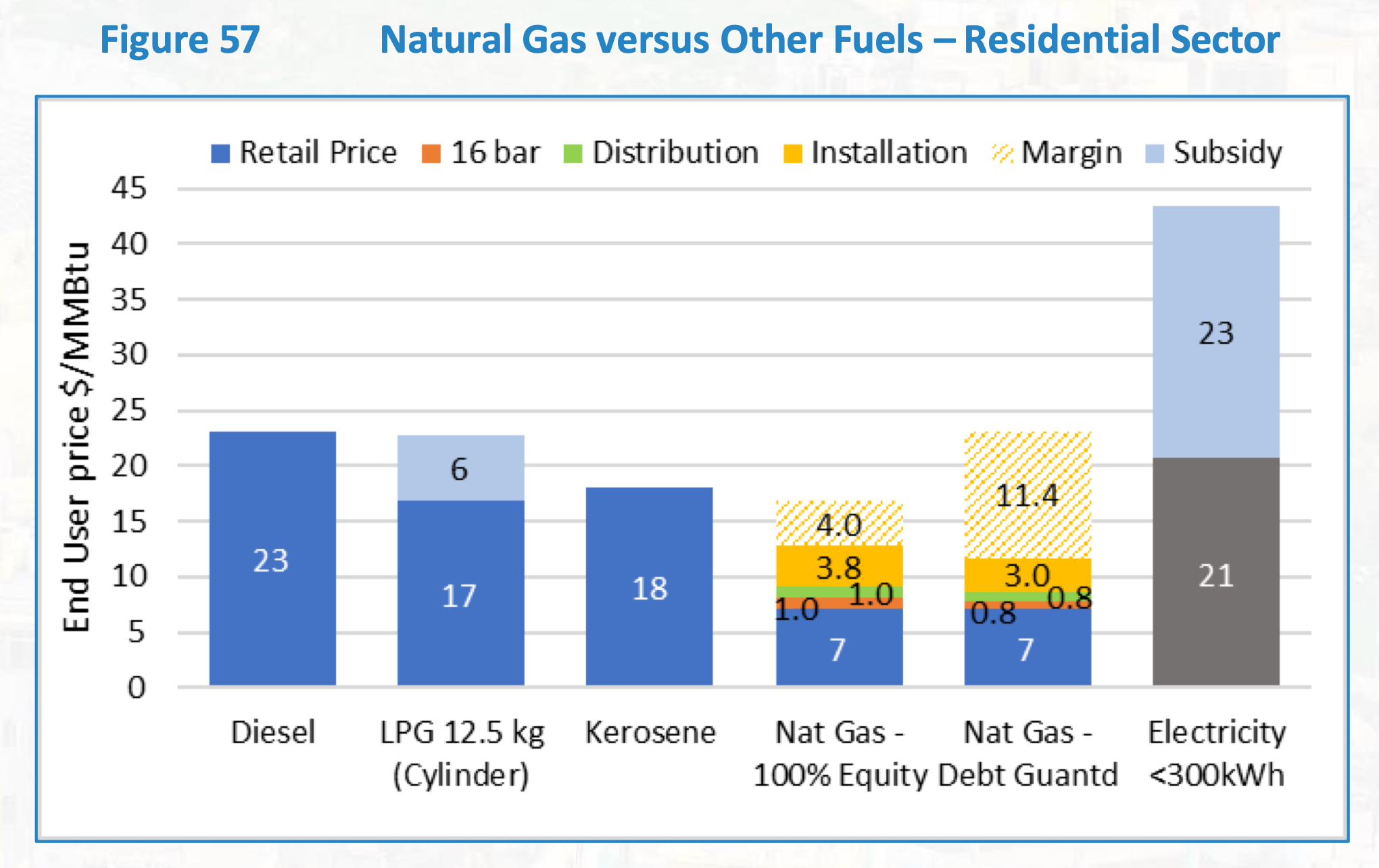
In fact, LNG is as cheap as jift. The challenge lies in creating a gas distribution network via pipelines (as Egypt has done) to connect every home to the grid. While such infrastructure requires significant upfront investment, the long-term benefits (lower heating costs and energy security) make it worthwhile.

Study can be downloaded directly from MEMR’s website.
From Gas to Sun ☀️
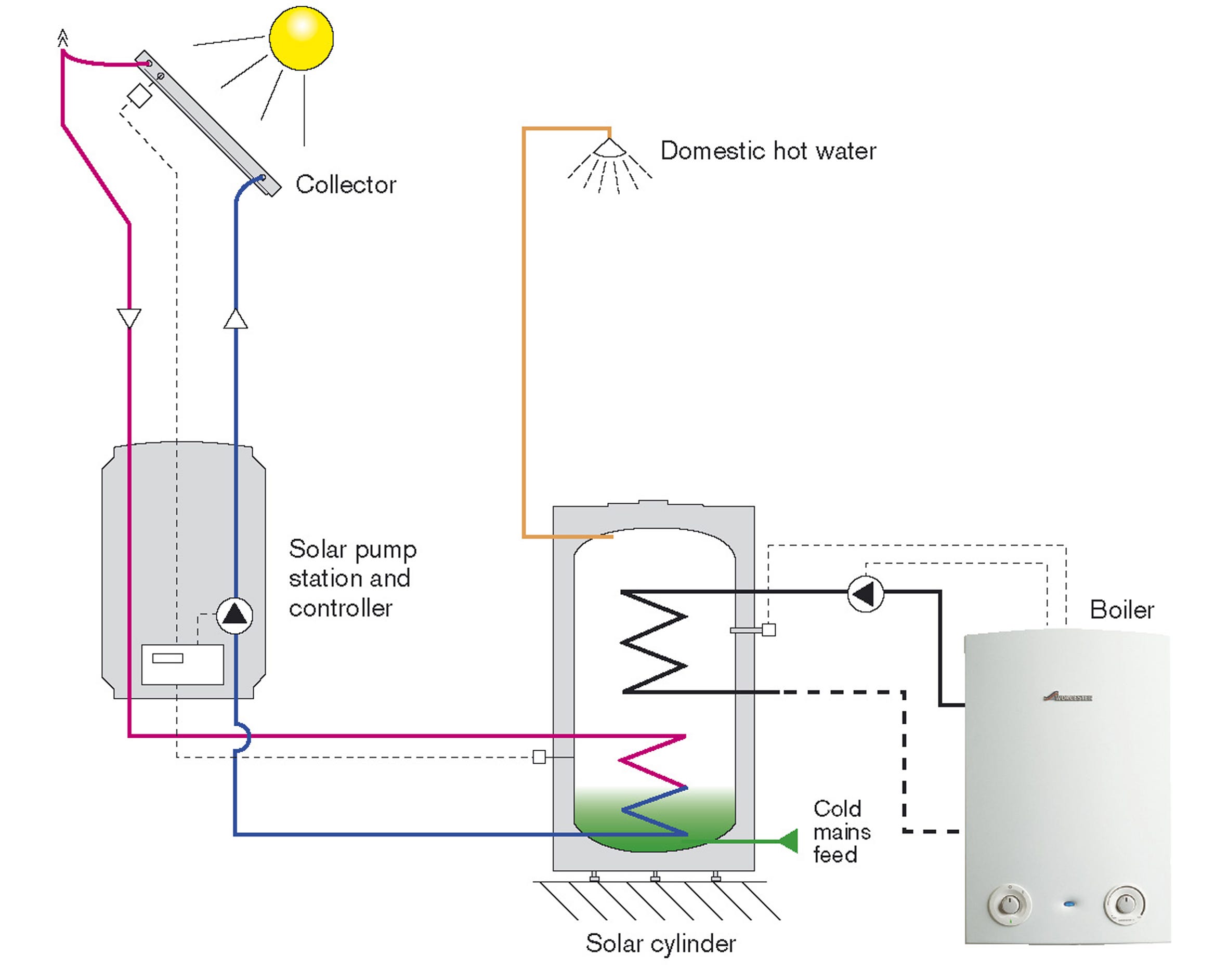
In the meantime, as we are still in the first and coldest Sa’ed of the 50 days of winter, It is always better for customers to choose one primary heating source (LPG, LNG, diesel, jift, or electric boiler) and supplement it with solar heating. Even on the coldest days, the sun still shines and brings in free heat to help and cut down on costs. Customers can even take it a step further by adding solar photovoltaic panels to generate electricity.
Jordan has been blessed with enough rain and sun to meet our needs; we just need to use our minds to take advantage of it all.