
On War

“War is natural”
Henri Bergson 1
Alfred Nobel, famous for inventing dynamite, decided to rewrite his legacy after reading his own obituary. The newspaper had mistakenly reported his death instead of that of his brother Ludvig Nobel, branding Alfred “the merchant of death.”
Even before that, he had always considered himself a pacifist. He supported activists working to prevent wars between nations, even financially backing Bertha von Suttner, the woman he was trying to woo, who politely friend-zoned him and then went on to win the Nobel Peace Prize.
Curiously, Nobel didn’t see explosives merely as instruments of destruction, but as a way to prevent even greater destruction through deterrence, a line of thinking that would later become the Cold War doctrine of Mutually Assured Destruction (MAD) between the United States and the Soviet Union.
Despite all the goodwill, donations, conferences, and wishful thinking, the First World War, then simply called the Great War, couldn’t be prevented.
Then the pacifists returned, once again trying to reason with humanity. Most famously, Albert Einstein’s 1932 letter to Sigmund Freud, Why War?, and Freud’s equally unsettling reply.2
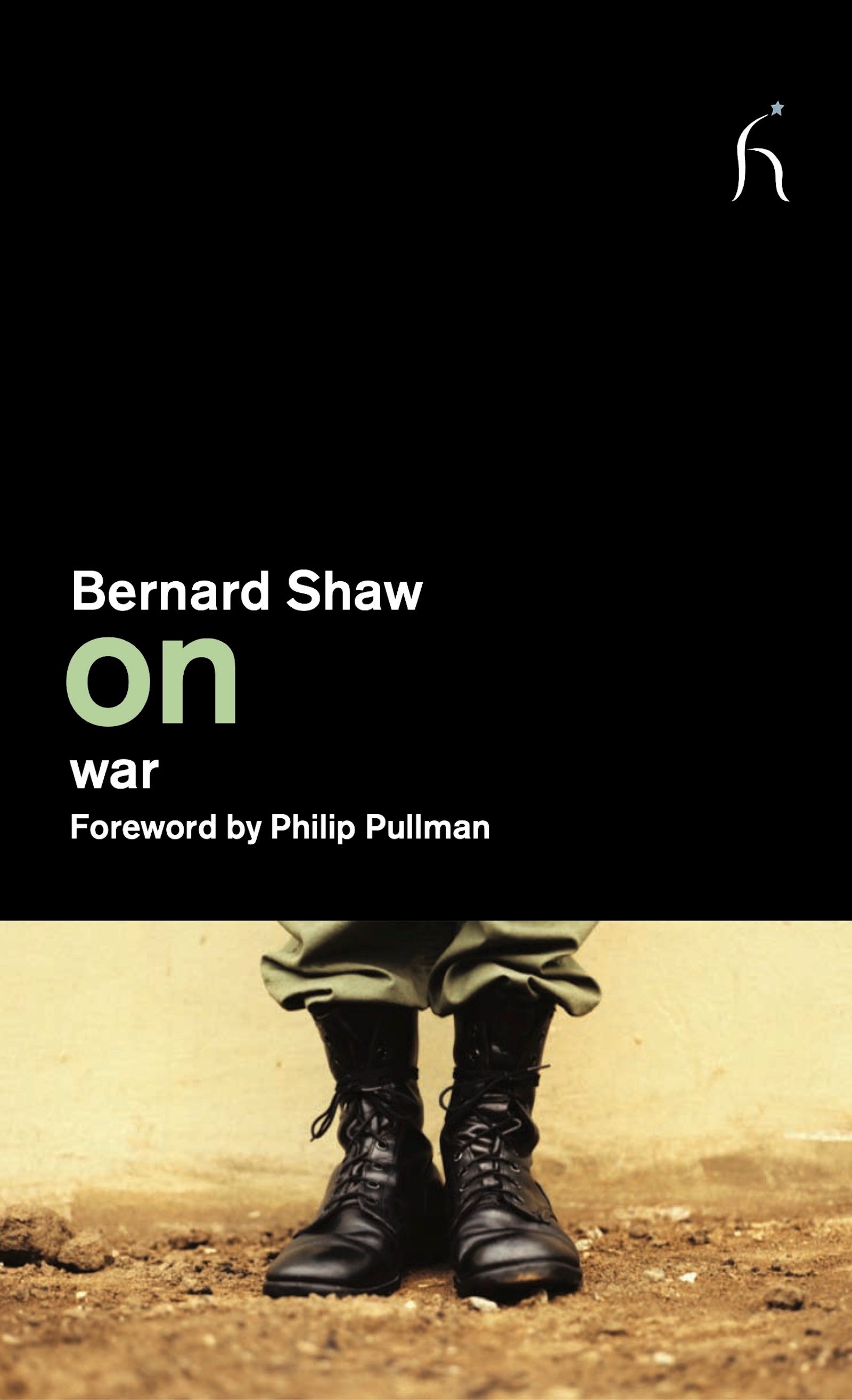
I also recommend reading George Bernard Shaw's reflections from that era, which managed to cover both periods:
I hope cooler heads prevail this time and that things don’t escalate to the point of mutual destruction and devastation. Restraint is needed, not only by the weaker side, but especially by the stronger one, because only the stronger party has the ability to restrain everyone else.
Before World War II, there were endless talks, books, conferences, declarations, and intellectual debates. None of them stopped the tsunami of destruction.
I genuinely pray this time is different.
The current path of slow degradation is unsustainable economically, politically, and, more importantly, humanly.
I don’t want to sound like the halftime entertainer who only appears when the rockets stop falling, but I’ve been busy and will finally be publishing the long-overdue posts, including my thoughts on the Social Security Corporation.
I hope you won’t be reading this from a nuclear wasteland.
“Mais peu importent la chose que l’on prend et le motif qu’on se donne: l’origine de la guerre est la propriété, individuelle ou collective, et comme l’humanité est prédestinée à la propriété par sa structure, la guerre est naturelle. L’instinct guerrier est si fort qu’il est le premier à apparaitre quand on gratte la civilisation pour retrouver la nature.” Les Deux Sources de la morale et de la religion (1932)
I also recommend reading Freud’s reply, particularly his idea of the Death drive (Todestrieb): the unsettling proposition that humans possess an unconscious drive not merely toward survival but toward a return to an inanimate state, the “zero state.” In that framework, wars are not an anomaly of civilization but one expression of that darker impulse.